A call that sounds like someone you know
How AI voice cloning scams work
Your phone rings and it’s your son. He’s crying, he says he’s been in a crash and it sounds exactly like him. It isn’t him. A scammer has cloned his voice with AI from a few seconds of audio, most likely from a video he posted on social media.
The voice can be anyone you’d drop everything for, a child, a parent or a friend. Once a scammer has a copy of it, it’s very easy to assume it’s them. If they’ve faked the phone number as well, so your phone shows their name, there’s nothing in your ear or on the screen to make you doubt it.
The story can be anything, a crash, an arrest or a kidnapping, with the voice doing all the talking or someone else coming on to play the solicitor or the police officer. Whatever it is, it ends in a request for money. They usually rush you, ask you to keep it to yourself or keep you on the line, so you don’t stop to think or ring anyone who could tell you the truth.
It ends when the real person rings or walks in, perfectly fine and with no idea what’s happened, and by then the money has gone. People told the FBI they lost more than $5 million to these calls in 2025, and in a 2024 Starling Bank survey 28% of UK adults thought they’d been targeted in the past year.
Why they do it
Because it works, and it costs them almost nothing. A voice clone takes a few minutes with software anyone can download and a clip anyone can find, and your child crying down the phone does what no text can. Fear stops you thinking, and that is what they are counting on.
What to do if you’ve answered or paid
If you’re on the call now, hang up, however real it sounds. Then reach the person another way, on the phone number you have for them or through someone they’re with. If the caller says they’re holding someone and you can’t reach that person, ring 999, or 911 in the US. If you sent nothing, you’ve lost nothing. Report the call, in the UK by texting the phone number it came from to 7726, which is free, and in the US at ReportFraud.ftc.gov, then block it.
If you sent money, ring whoever you paid through straight away and tell them it was a scam. The sooner you ring, the better the chance of getting it back.
- In the UK, dial 159 to reach your bank’s fraud team. Banks have to refund most bank transfer scams, up to £85,000, as long as you report it within 13 months. Cash, gift cards and international transfers aren’t covered. Then report it to Report Fraud at reportfraud.police.uk or on 0300 123 2040. In Scotland, ring Police Scotland on 101.
- In the US, call your bank, the wire transfer company or the gift card issuer and ask for the money back. A payment you sent yourself isn’t always refunded. Then report it to the Federal Trade Commission at ReportFraud.ftc.gov and the FBI at ic3.gov.
How to stop it happening
If a scammer can clone their voice and fake their phone number, nothing you hear or see on the call can tell you it’s them. The usual advice is to hang up and ring them back on the phone number you have saved, which only helps if they pick up. A family safe word has to be agreed in advance, remembered in a panic and kept out of every message, and you can’t keep one with everyone you know. Listening for a robotic voice is no better. In a 2025 Queen Mary University of London study, people rated voice clones as just as real as human voices. What you need is a way to check the person behind the voice, and the one thing a scammer can’t copy is their face.
Check Twice checks exactly that, without you hanging up. Open their contact and tap “Verify them on their phone”. The request goes through the app to their own phone, so a scammer on the line never sees it. They confirm with a quick photo, which is matched against the face photo they signed up with, checked against their photo ID at the time. You both get the same two words, so ask the caller to read theirs out. The words only appear on the phone that passed the check, so a scammer can’t know them. If they say it wasn’t them or don’t answer in time, you’re warned.
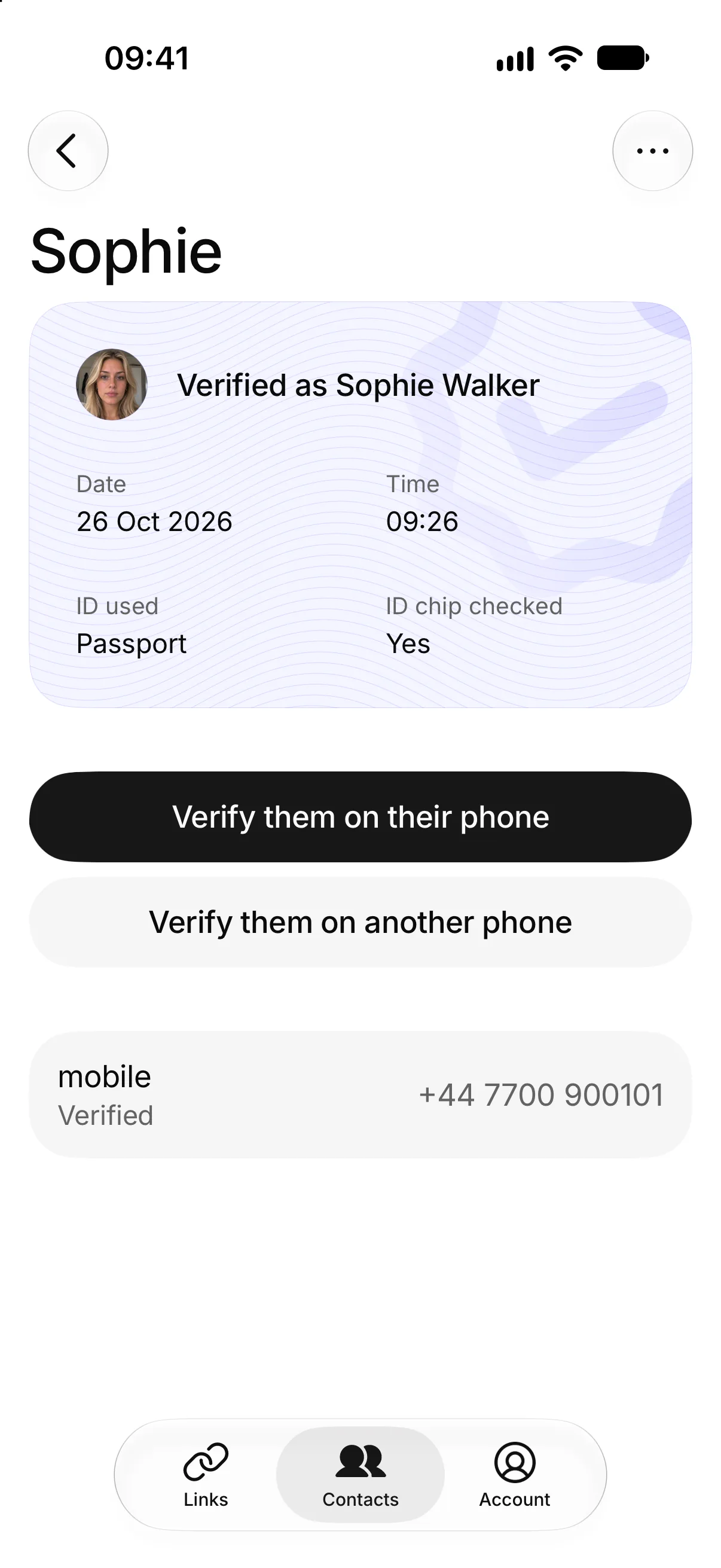
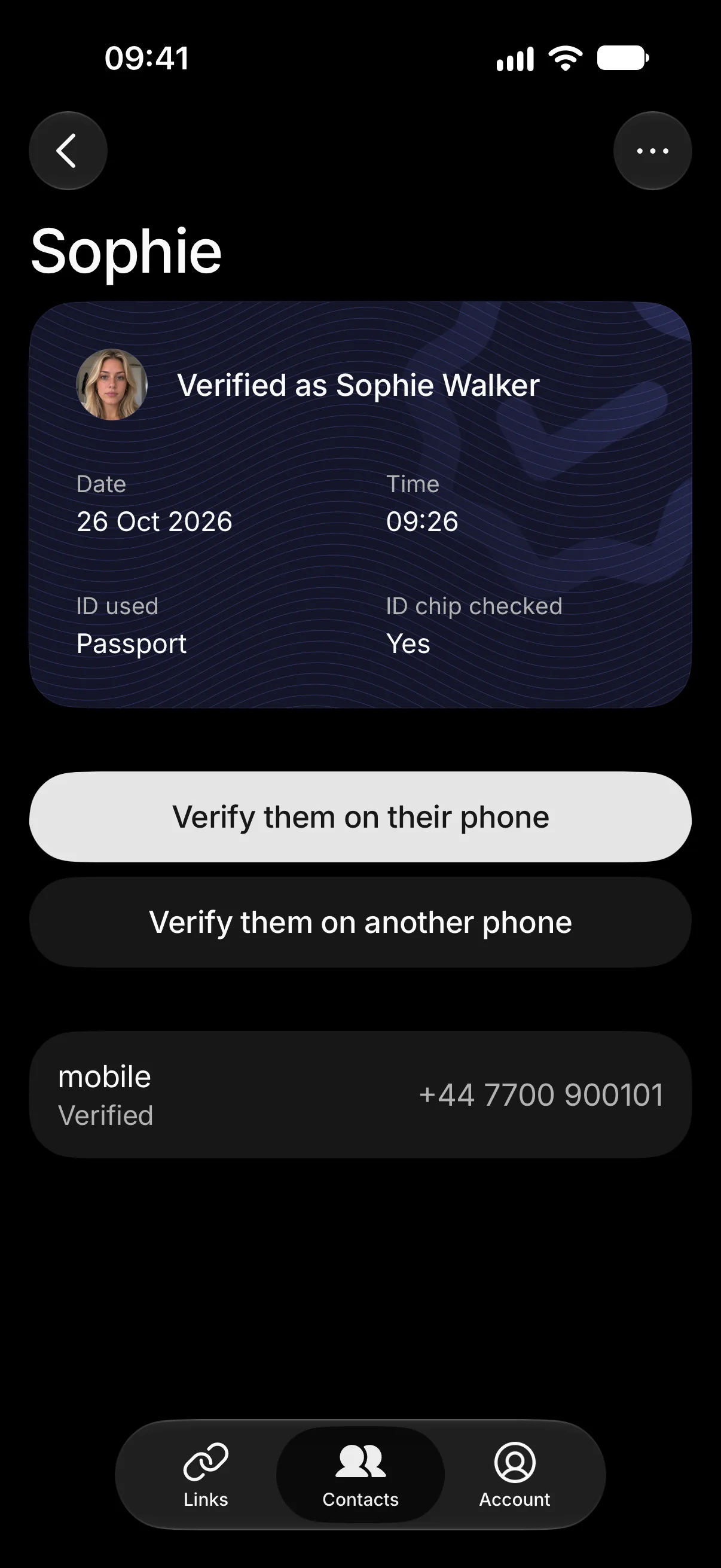
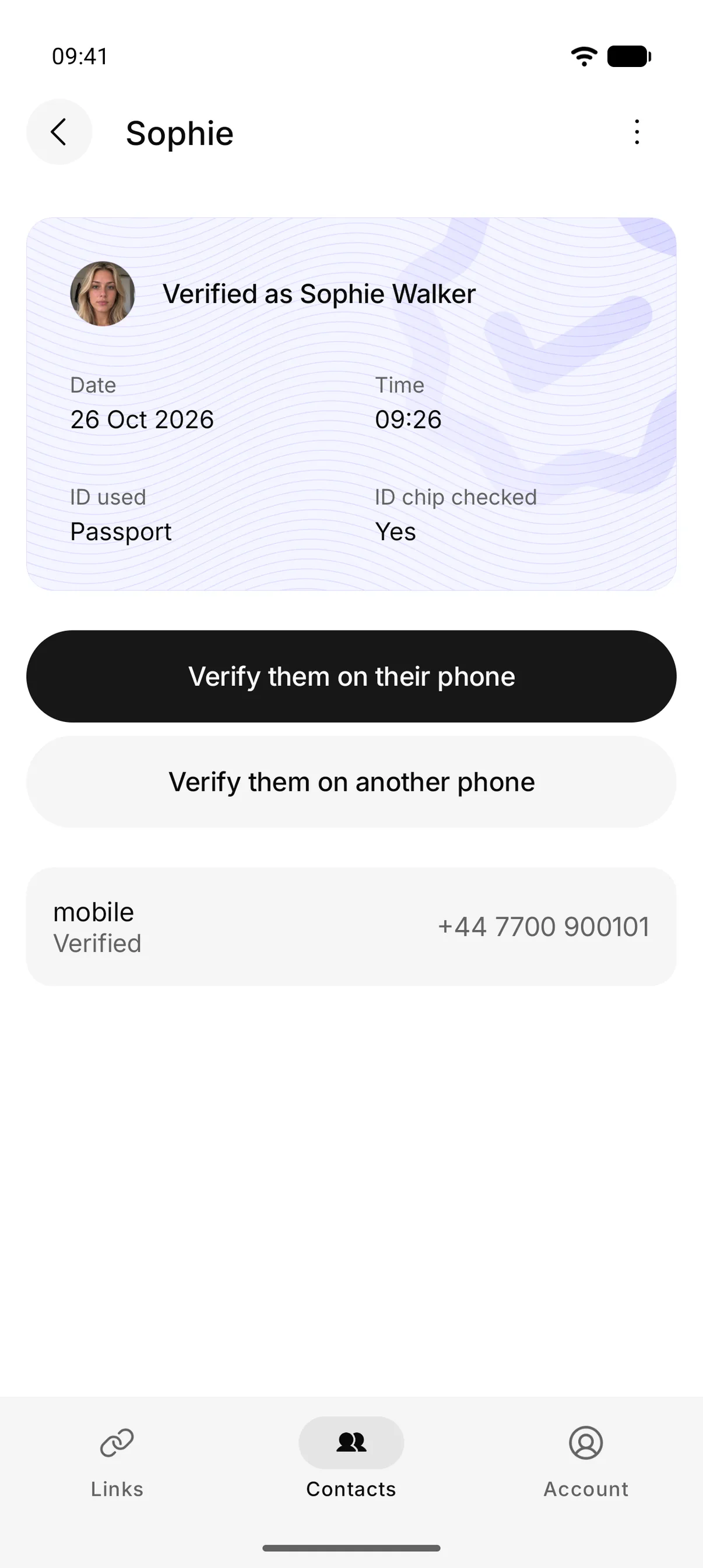
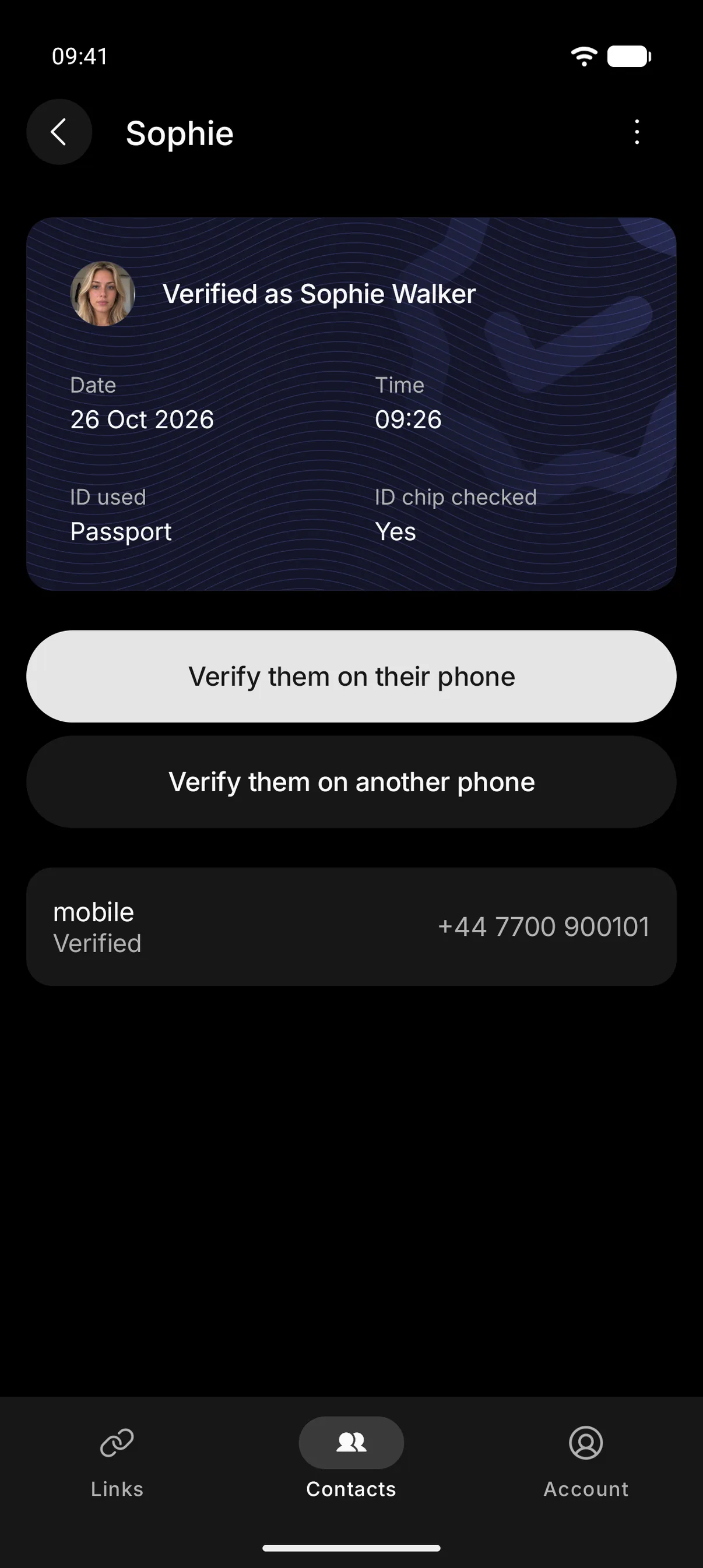
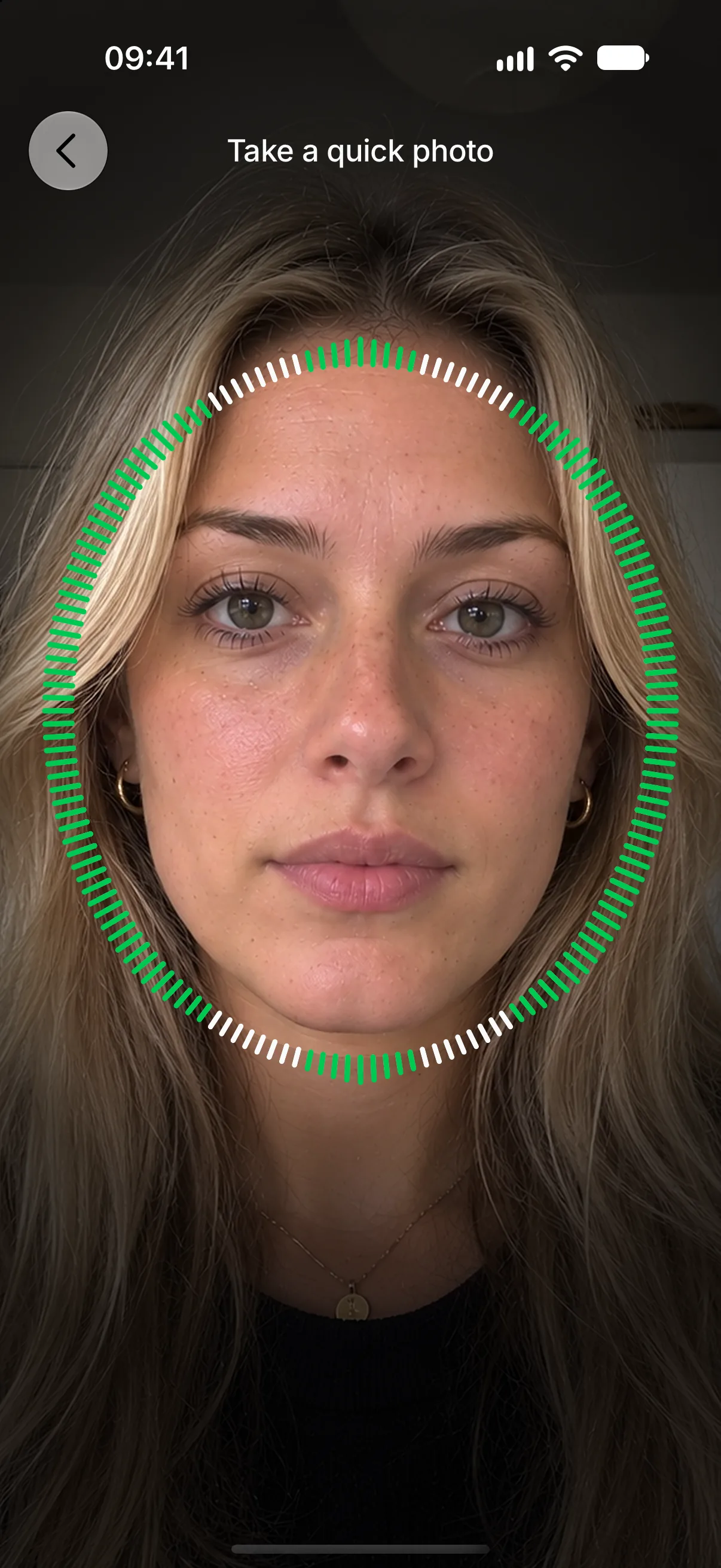
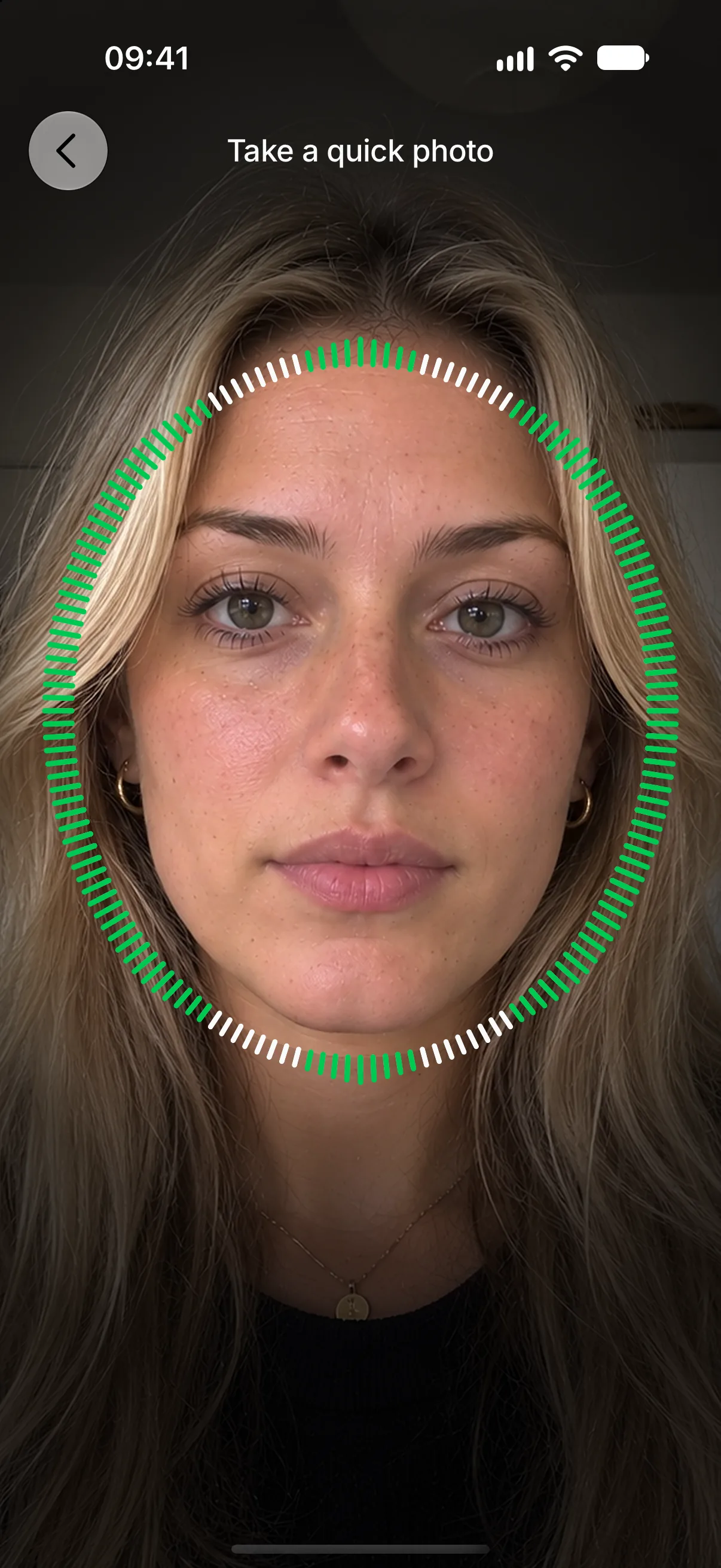
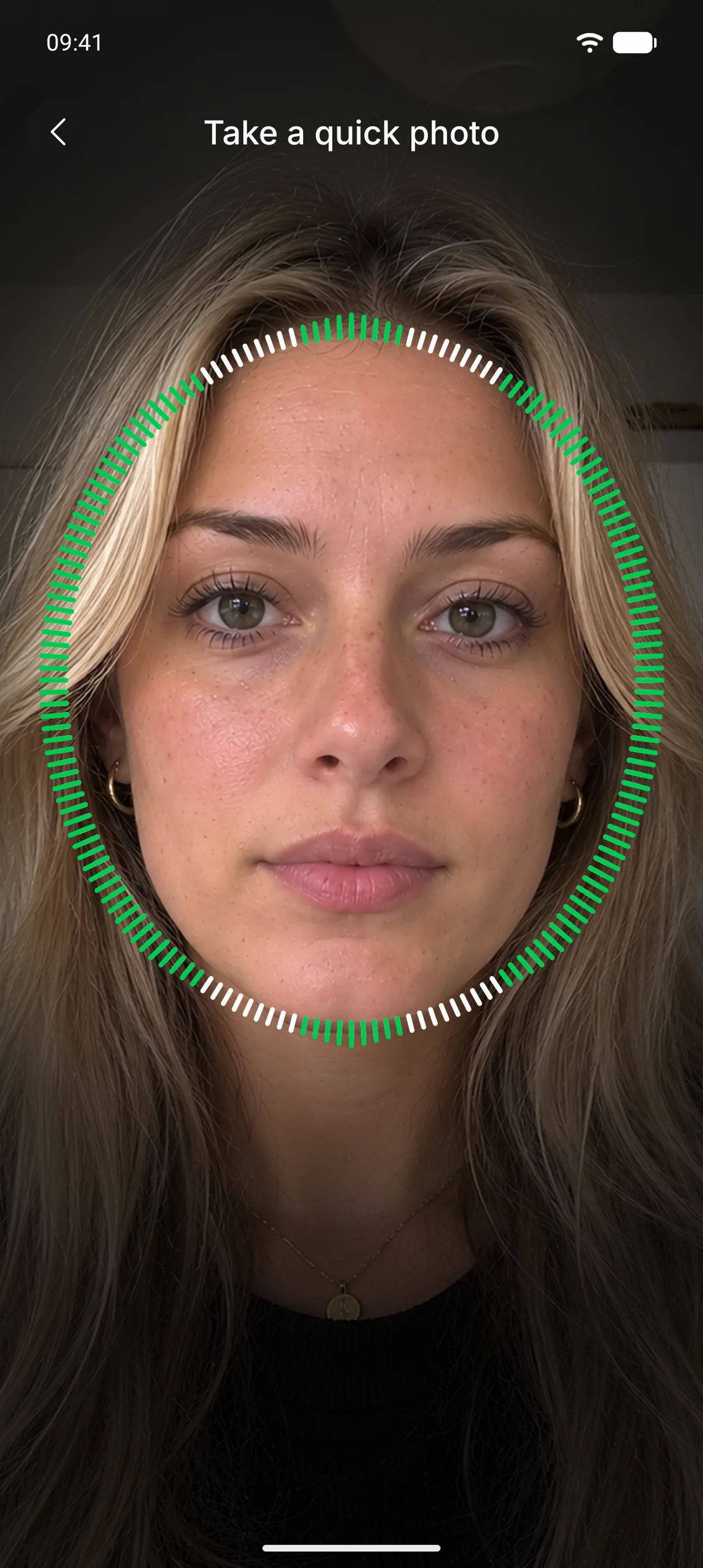
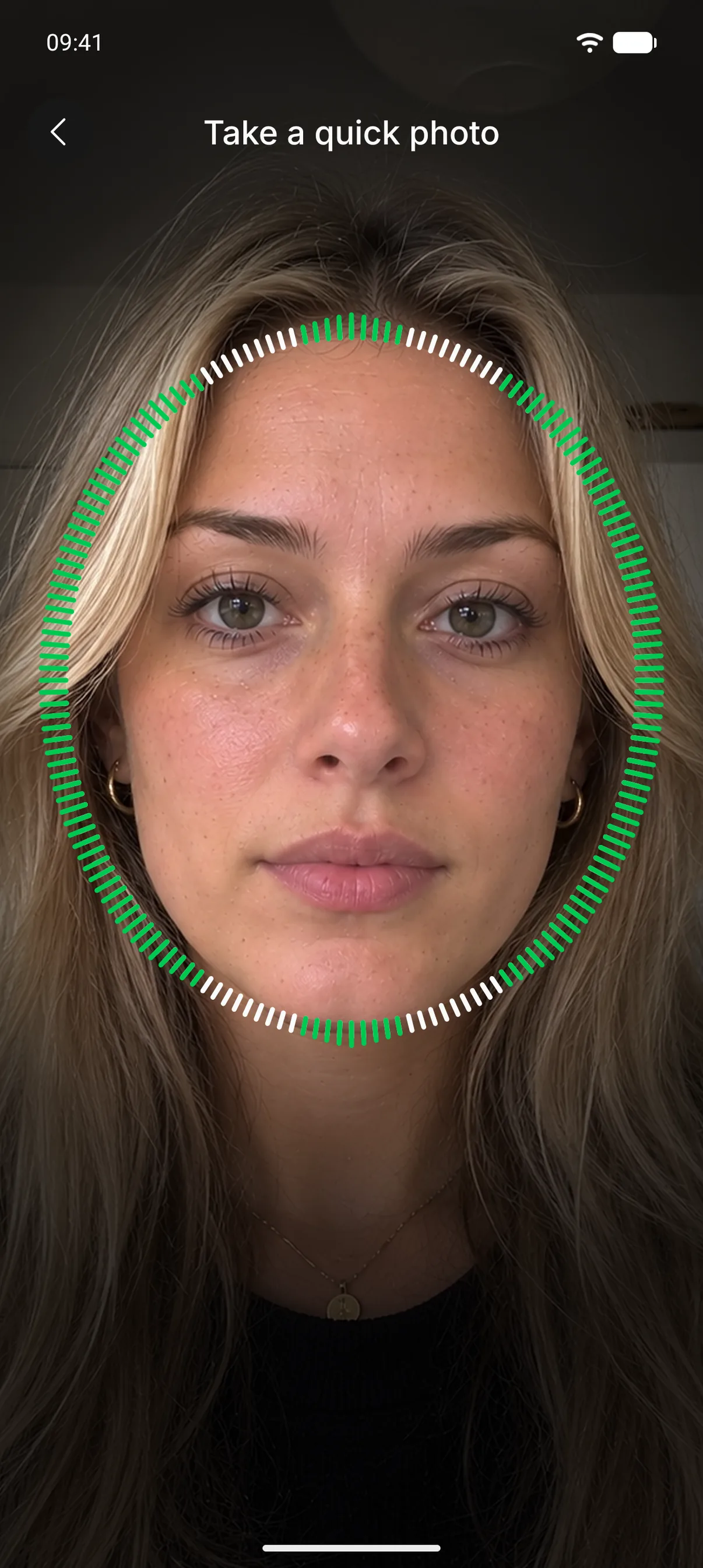
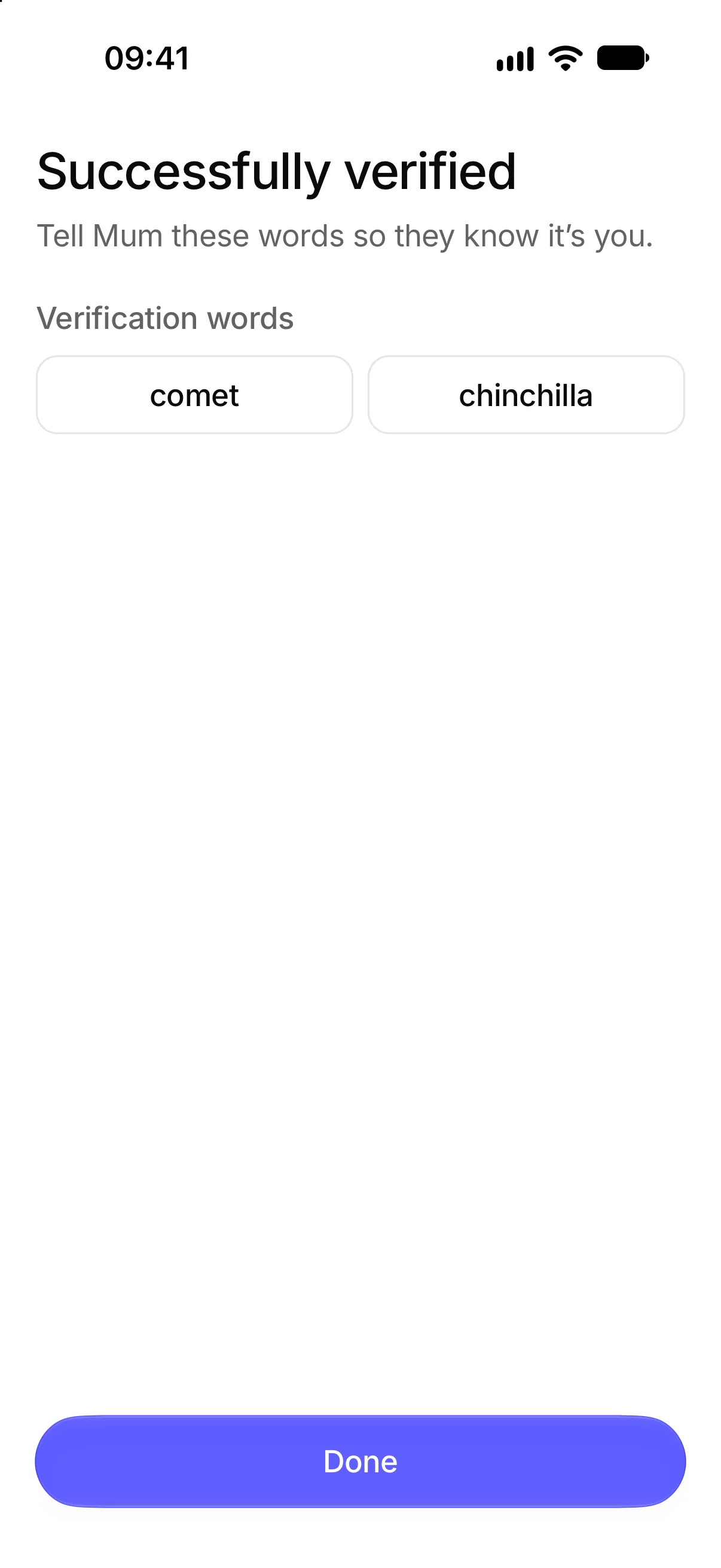
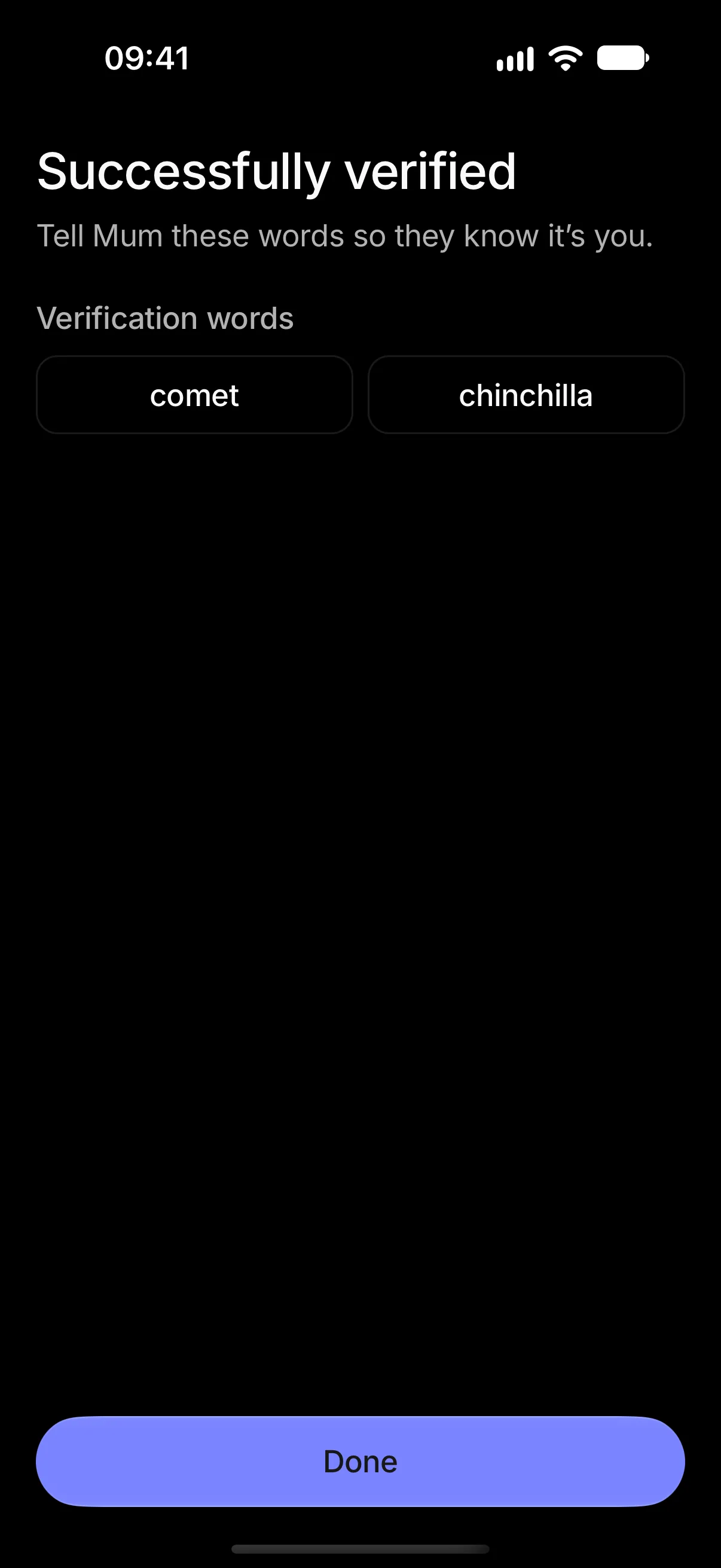
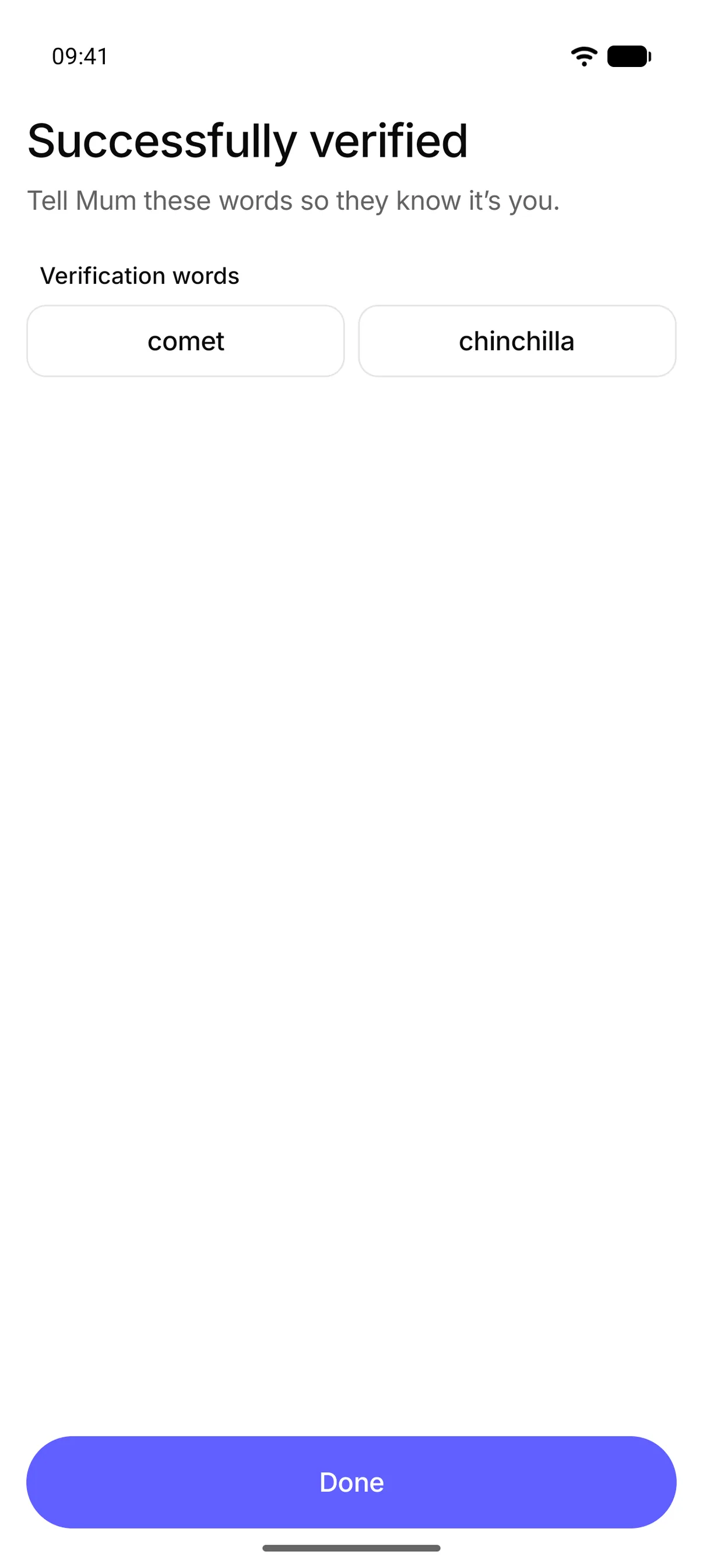
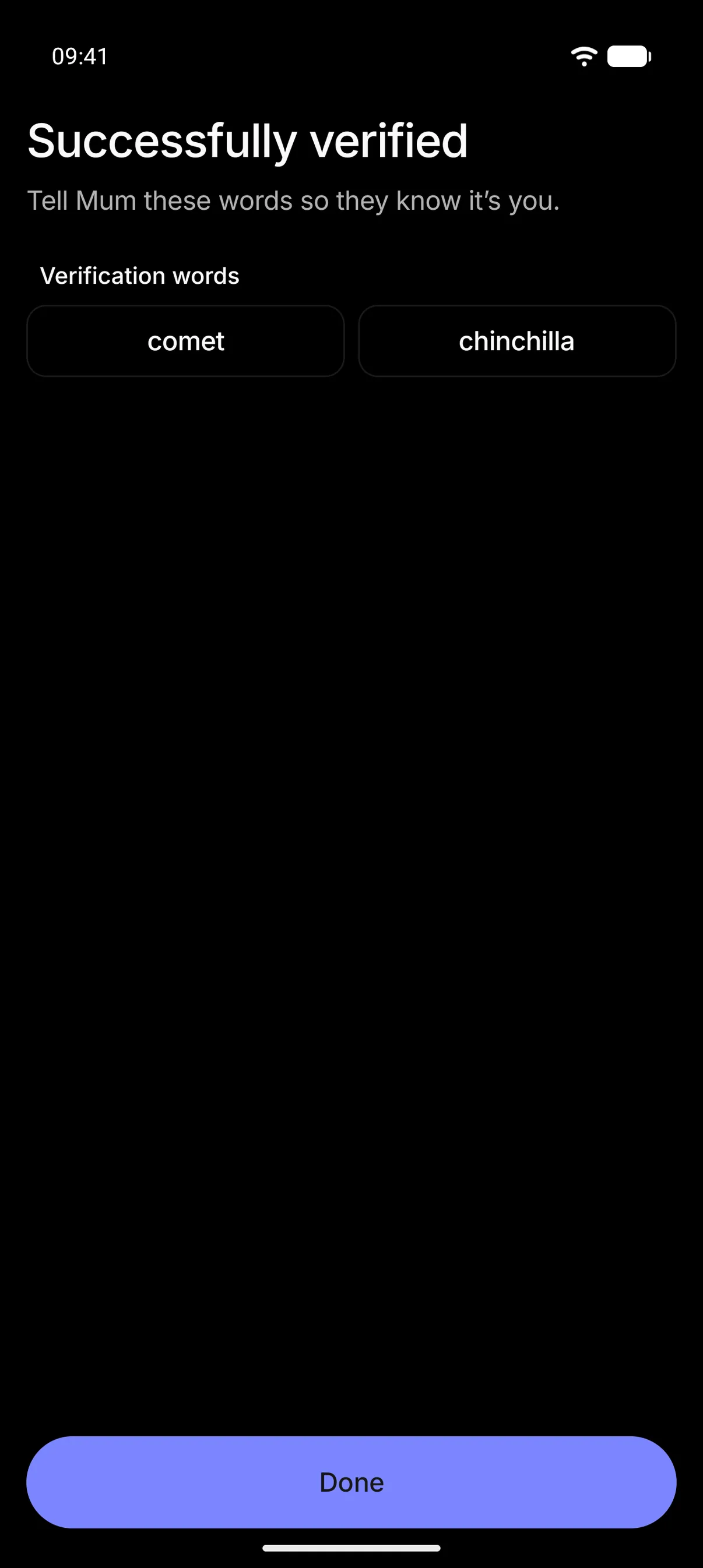
If they say they’re on someone else’s phone, tap “Verify them on another phone” and text the link to the phone number they’re ringing from. Whoever has that phone takes a quick photo in the browser with the same liveness check, and it’s matched against the face on their profile. A copied voice is no use to a scammer holding that phone, and the result shows on their contact page.
Verification works between people who both have a Check Twice account, so download it, create yours and make sure your friends and family set one up too. It works both ways, so they can check it’s really you too.
Check Twice is free and easy to set up. All you need is a quick photo and your passport, driving licence or state ID card. Your contacts never leave your phone and only people you’ve saved can see your profile, unless you opt in to showing it to anyone with your phone number.